In today’s fast-paced business world, efficient human resource management has become a core requirement for organizations of all sizes. Whether managing a small team or thousands of remote workers, having a reliable system to oversee recruitment, payroll, attendance, performance tracking, and compliance is crucial. This is where HRMS Delivery systems come into play. An HRMS — or Human Resource Management System — is a comprehensive software solution that automates and centralizes essential HR tasks, reducing manual workload and improving operational accuracy and employee experience.
Over the past decade, businesses have adopted HRMS platforms not only to save time and administrative costs but also to gain valuable insights into their workforce through real-time analytics and reporting. In sectors such as logistics and delivery services, specialized HRMS solutions help manage large workforces spread across multiple locations, ensuring seamless HR operations and improved productivity.
What is HRMS? A Clear Explanation
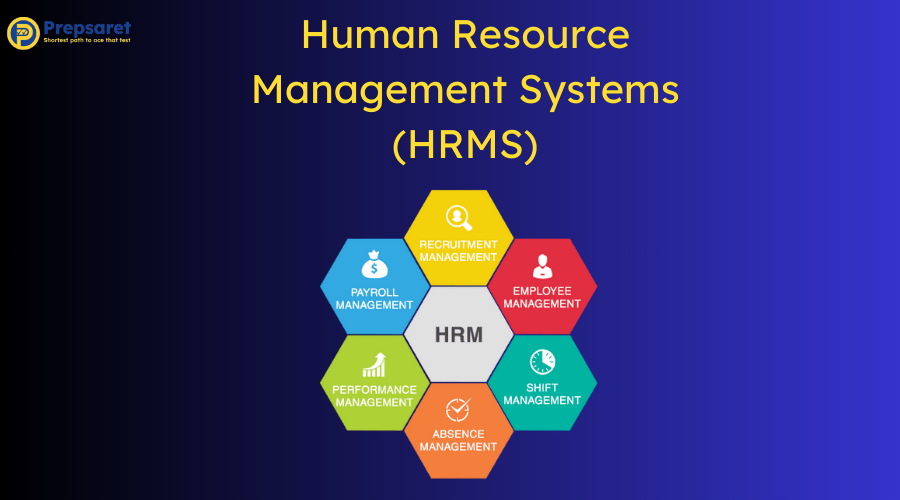
A Human Resource Management System (HRMS) is an integrated suite of tools designed to manage nearly all aspects of human resource operations within an organization. It typically combines core HR functions like payroll, time and attendance tracking, recruitment, onboarding, benefits administration, performance reviews, training, and compliance reporting into a single platform.
The main purpose of an HRMS is to streamline HR tasks by automating repetitive processes and consolidating HR data, enabling HR teams to focus on strategic initiatives rather than manual paperwork. At its core, an HRMS centralizes employee information in a secure database, allowing authorized personnel to access up-to-date employee records quickly. This centralization enhances data accuracy, reduces errors, and improves decision-making through analytics and reporting.
Core Components of an HRMS Solution
1. Employee Database & Core HR Records
An HRMS acts as a digital employee database, storing details such as personal data, job history, hire dates, compensation information, and performance records in a single searchable system. This eliminates the need for scattered spreadsheets and paper files, making data retrieval faster and more secure.
2. Payroll Processing & Compliance
Payroll is one of the most sensitive and error-prone HR functions. Modern HRMS software manages salary calculations, deductions, tax compliance, and direct deposits automatically. By integrating payroll with attendance and leave data, organizations ensure accurate and timely employee compensation while reducing compliance risks.
3. Time & Attendance Tracking
Tracking employee hours manually can be inefficient and error-laden. HRMS platforms integrate with biometric systems or mobile clock-in tools to record attendance in real time. This ensures accurate work-hour tracking and simplifies leave management and shift planning.
4. Recruitment and Onboarding Tools
HRMS solutions include applicant tracking systems that automate job postings, applicant screening, interview scheduling, and onboarding tasks. This speeds up hiring and ensures new hires quickly become productive team members.
5. Performance Management and Evaluation
HRMS platforms help managers set goals, conduct performance reviews, and track employee development over time. They also support ongoing feedback and training management, which is essential for retaining top performers and fostering professional growth.
6. Employee Self-Service Portals
Many HRMS systems provide self-service portals where employees can view payslips, apply for leave, update personal information, and check benefits without contacting HR directly. This empowers employees and reduces administrative workload.
7. Reporting and Analytics
HRMS platforms offer powerful analytics tools that transform HR data into actionable insights. HR leaders can monitor turnover rates, attendance patterns, performance metrics, and more — helping organizations plan for growth and address workforce challenges proactively.
HRMS in Delivery & Logistics
In sectors like logistics and delivery services, HRMS systems play a critical role in managing large, dispersed workforces. Companies operating nationwide or globally need a platform that can handle multiple shifts, remote employees, field staff, and fluctuating workforce sizes efficiently.
Specialized HRMS solutions for delivery services include:
-
Real-time attendance tracking for staff working in multiple locations.
-
Payroll and payslip access through a centralized portal.
-
Leave management allowing employees to submit requests digitally.
-
Employee self-service, enabling staff to update personal information and track attendance.
-
Performance and training management, supporting both supervisors and employees with monitoring and growth opportunities.
Such systems help delivery companies save time, reduce errors, and increase workforce productivity while improving transparency and communication across all levels of the organization.
Key Benefits of Using HRMS Delivery Solutions
1. Increased Efficiency and Time Savings
By automating manual tasks like payroll entry, attendance tracking, and leave approvals, HRMS saves countless hours for HR teams, allowing them to focus on strategic priorities.
2. Improved Accuracy and Compliance
HRMS systems reduce human errors in calculations and record-keeping. They also help organizations stay compliant with labor laws and tax regulations, minimizing legal risks.
3. Enhanced Employee Experience
Employees enjoy more transparency and control over their HR interactions through self-service portals, making routine tasks easier and faster.
4. Better Decision-Making Through Analytics
With real-time reporting and analytics, HR leaders can make data-driven decisions about staffing, performance improvements, budget planning, and training needs.
5. Scalability for Growing Businesses
HRMS solutions can scale with an organization’s growth, supporting thousands of employees and expanding HR needs without adding complexity.
Challenges and Considerations When Choosing an HRMS
While HRMS systems offer immense value, choosing the right one requires thoughtful consideration:
-
Integration with existing systems – Ensure the HRMS can integrate with other business software like accounting or CRM systems.
-
User-friendliness – Platforms should be intuitive for employees and HR staff to reduce training time and improve adoption.
-
Compliance capabilities – The HRMS must support region-specific labor and tax compliance requirements.
-
Security and privacy – Robust data protection measures are essential to protect sensitive employee information.
-
Customization – Some businesses may require tailored modules, such as gig-worker tracking or mobile workforce support.
Selecting the right HRMS, including solutions designed for delivery or logistics operations, can significantly impact operational efficiency and employee satisfaction.
Read More: Easy Ways to Earn PKR 20 Online
Conclusion
In an era where digital transformation is reshaping business operations, HRMS Delivery systems have become indispensable tools for effective workforce management. These systems not only automate and centralize HR tasks like payroll, attendance, performance tracking, and recruitment but also enhance employee engagement and strategic decision-making through robust analytics and self-service features.
In sectors such as logistics and delivery services, where managing a dispersed and dynamic workforce is a constant challenge, HRMS platforms empower HR teams and employees with real-time data accessibility and seamless workflows. Choosing the right HRMS solution — one that aligns with an organization’s size, industry, and regulatory environment — can unlock operational efficiencies, reduce administrative costs, and create a better workplace experience.
Adopting an HRMS system is no longer optional; it is essential for organizational growth, competitiveness, and long-term success.
FAQs
1. What does HRMS delivery mean?
HRMS delivery refers to using a Human Resource Management System to deliver HR services and manage HR tasks in an organization, often through an online portal.
2. How does HRMS benefit delivery or logistics companies?
It streamlines HR processes for large, dispersed workforces, offering real-time attendance tracking, payroll automation, leave management, and performance insights.
3. Can employees access their HR info through an HRMS?
Yes, employees can view payslips, apply for leave, update personal details, and track attendance through self-service portals.
4. Is HRMS necessary for small businesses?
Yes, HRMS improves efficiency, accuracy, and compliance even for small businesses by automating HR tasks and centralizing data.
5. How does an HRMS improve decision-making?
By providing real-time HR data and analytics, HRMS helps leaders make informed decisions about hiring, performance improvements, workforce planning, and budget allocation.