
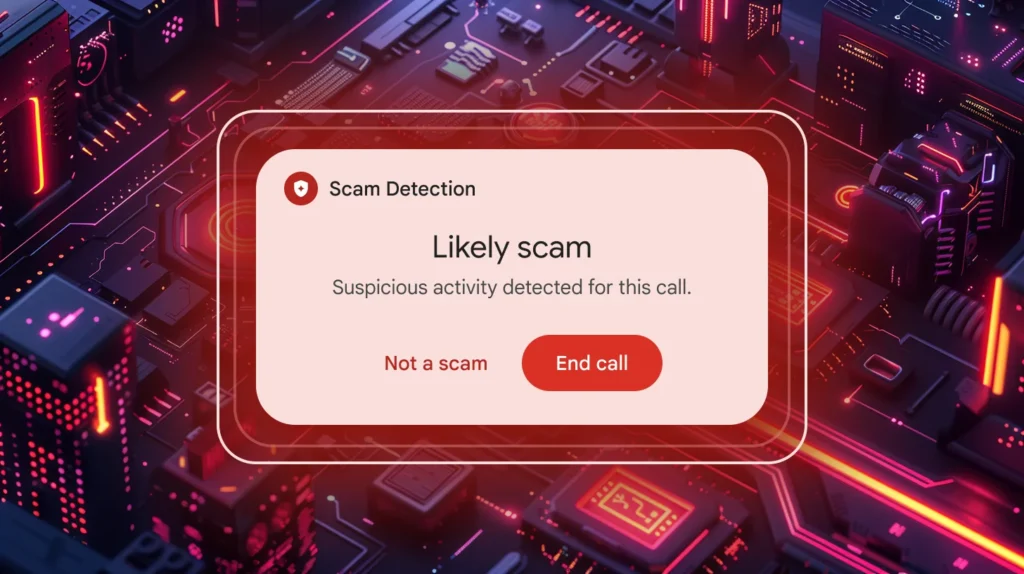
Receiving a call from an unknown number like 502‑861‑5127 can trigger concern or confusion. In today’s world, unsolicited calls have become a common part of daily life, often coming from telemarketers, automated systems, or potential scammers. Many people report unfamiliar numbers repeatedly, making it challenging to know whether to answer or ignore the call. Understanding who might be behind a number, the risks involved, and how to respond safely is crucial to protecting your personal information and peace of mind.
This article provides a complete guide for anyone who has received a call from 502‑861‑5127, including identifying warning signs, safe handling practices, and preventive measures. You will learn practical steps to determine whether a call is legitimate, how to block or report it, and ways to safeguard your personal information. Additionally, we answer the most common questions people have about dealing with unfamiliar calls.
1. What Is the Number 502‑861‑5127?
The number 502‑861‑5127 is associated with the 502 area code, which is linked to Kentucky, USA. Many users have reported receiving calls from this number but could not identify a legitimate business or individual associated with it. Because of this, the number is often flagged as potential spam or an unsolicited call.
Although the area code suggests a local connection, it’s important to remember that callers can spoof numbers, making them appear local when they are not. This adds a layer of uncertainty and requires caution when deciding how to respond.
2. Reasons You Might Receive Calls from This Number
There are several reasons someone may get a call from 502‑861‑5127:
-
Telemarketing: Companies often use automated systems to promote products or services.
-
Robocalls: Pre-recorded messages may attempt to get you to call back.
-
Scam Attempts: Some calls aim to collect sensitive personal information or financial details.
-
Caller ID Spoofing: Scammers can fake a local number to increase the likelihood of answering.
Understanding these reasons helps you remain cautious and not take unnecessary risks.
3. Signs That a Call May Be Unsafe
Here are common warning signs indicating a call may not be safe:
-
Unknown Caller Identity: No recognizable name or business is shown.
-
Urgency or Pressure: Statements like “act now” or “limited time offer.”
-
Requests for Sensitive Information: Asking for passwords, bank details, or other personal data.
-
Repeated Calls: Multiple calls in a short period from the same number.
-
Generic Voicemail: Messages that seem automated or templated without specific details.
These indicators help distinguish legitimate calls from potential scams.
4. Steps to Handle Calls from 502‑861‑5127
Here’s a practical approach to dealing with this number:
-
Don’t Answer Immediately: Let the call go to voicemail if the number is unfamiliar.
-
Check Voicemail Carefully: Only consider responding if there is a clear and legitimate reason.
-
Research the Number: Search online to see if others have reported it as spam.
-
Block the Number: Smartphones allow easy blocking of specific callers.
-
Use Spam-Filtering Apps: Tools like Truecaller, Hiya, or RoboKiller can reduce unwanted calls.
-
Report Unwanted Calls: Local telecom authorities or national regulators allow reporting of suspicious numbers.
Following these steps significantly reduces the risk of scams or unnecessary disturbances.
5. How Caller Identification Works
Understanding caller ID technology can help protect you:
-
Carrier-Level ID: Mobile carriers provide basic caller ID, but it may not be reliable if the number is spoofed.
-
Third-Party Apps: Apps use large community databases to flag spam calls, offering additional protection.
-
User Reports: Public feedback on numbers allows communities to share warnings about potential scams.
Knowing how identification works allows you to make informed decisions when receiving unfamiliar calls.
6. Tools to Identify and Block Unwanted Calls
Several tools and apps can help protect against unwanted calls:
-
Truecaller: Identifies callers and flags spam calls.
-
YouMail: Blocks robocalls and provides voicemail management.
-
Hiya: Detects spam and provides call-blocking options.
-
RoboKiller: Uses AI to detect spam and answer with automated bots.
Combining these tools with your smartphone’s built-in features increases your safety against spam calls.
7. Actions if You’ve Shared Personal Information
If you have already answered a call and shared sensitive data:
-
Change Passwords: Update passwords for email, banking, and online accounts.
-
Contact Financial Institutions: Alert your bank or credit card provider.
-
Enable Two-Factor Authentication: Add an extra security layer to accounts.
-
Monitor Accounts: Keep an eye on suspicious activity and unauthorized transactions.
Immediate action helps minimize potential damage from scams or identity theft.
8. Understanding Why Numbers Like This Keep Calling
Unsolicited calls from numbers like 502‑861‑5127 persist due to:
-
Automated Systems: Technology allows millions of cheap calls daily.
-
VoIP and Call Farms: Internet-based calls can be made at low cost and with number rotation.
-
Number Reuse: Some numbers are recycled or spoofed frequently, creating multiple reports of spam or fraud.
Being aware of this landscape helps you respond calmly and responsibly.
9. General Safety Guidelines
-
Never share passwords, PINs, or other personal information.
-
Use caller ID and spam-blocking apps.
-
Let unfamiliar calls go to voicemail.
-
Block and report numbers that appear suspicious.
-
Educate family members about recognizing scam patterns.
Following these practices ensures ongoing protection and minimizes exposure to scams.
Read More: Why Use Fidzholikohixy: Boost Productivity and Simplify Workflows
Conclusion
Receiving calls from numbers like 502‑861‑5127 can be unsettling, especially when the caller is unknown or potentially a scammer. Public reports indicate that this number is often flagged as spam or unsolicited, making caution essential. By following best practices — such as screening calls, blocking suspicious numbers, and using caller identification apps — you can protect yourself and your personal information from potential risks.
Understanding warning signs, staying informed about spam trends, and taking proactive action empowers you to manage unknown calls safely. Avoid sharing sensitive data, and prioritize your digital safety. With a systematic approach, you can confidently handle calls from unfamiliar numbers, ensuring that you remain protected while maintaining control over your communications. Being proactive and informed is the key to staying safe in a world full of automated and unsolicited calls.
FAQs
Is 502‑861‑5127 a scam number?
While there is no confirmed legitimate business tied to this number, many reports indicate it may be spam or unsolicited. Exercise caution.
Should I answer calls from 502‑861‑5127?
It’s safer to let unknown calls go to voicemail. Only answer if you are certain the caller is legitimate.
How can I block calls from this number?
Use your phone’s blocking feature or spam-blocking apps to prevent repeated calls.
Can caller ID apps help identify this number?
Yes. Apps like Truecaller and Hiya provide spam alerts and caller information based on community reports.
What should I do if I accidentally shared personal info?
Immediately change passwords, alert financial institutions, enable two-factor authentication, and monitor accounts for unusual activity.