
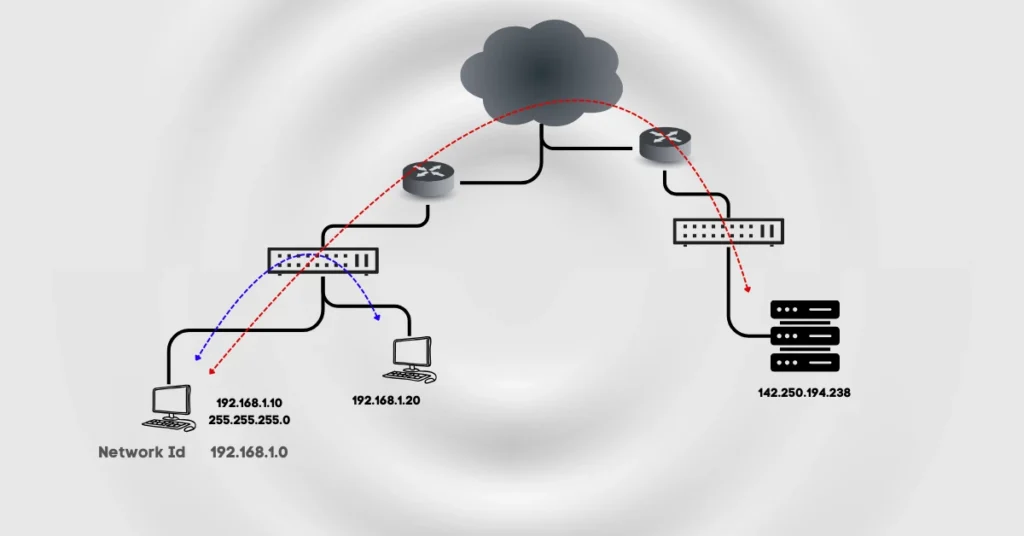
In the world of home and office networking, IP addresses quietly run everything behind the scenes. One such address, 192.168.1.20, often appears when devices communicate within a local network. While it may look technical at first glance, its role is actually quite straightforward once you break it down.
This guide explains what it means, how it works, why it matters, and how you can troubleshoot or use it effectively in everyday networking situations.
What is 192.168.1.20?
192.168.1.20 is a private IP address commonly used within local area networks (LANs). It belongs to a reserved range of IPs defined for internal communication, meaning it is not accessible directly from the internet.
In simple terms, think of it like an internal house address. Every device in your home or office network — whether it’s a laptop, printer, smart TV, or security camera — may be assigned a unique address so the router knows where to send data.
Unlike public IPs that connect you to the wider internet, this type of address works only inside your local network environment.
How It Works in a Network
When a router is installed, it automatically assigns IP addresses to connected devices using a system called DHCP (Dynamic Host Configuration Protocol). In many setups, 192.168.1.20 might be assigned to a specific device like:
- A desktop computer
- A wireless printer
- A CCTV camera system
- A smart home hub
This ensures smooth communication between devices without conflicts or manual configuration.
I once had to fix a home office printer issue where the device stopped responding — and it turned out the printer’s IP had changed from its original assignment, causing confusion across the network.
Why This IP Address Matters
The importance of a private IP like this lies in stability and organization. Without structured addressing, devices would struggle to identify each other, leading to connection failures and network chaos.
Some key benefits include:
- Efficient device communication
- Easier network management
- Reduced IP conflicts (when properly configured)
- Secure internal routing
It is especially useful in environments where multiple devices operate simultaneously.
How to Access 192.168.1.20
Unlike router gateway addresses (such as 192.168.1.1), this IP is usually assigned to a device rather than a router dashboard. However, you can still interact with it depending on the device type.
Steps to access:
- Ensure your device is connected to the same network
- Open a browser or network tool
- Enter the IP address if it hosts a service (like a camera or admin panel)
- Log in using credentials if required
Not every device will open in a browser — some require specific software or apps.
Practical Application of 192.168.1.20 in Local Networks
Imagine working in a small office where multiple employees use shared printers and surveillance cameras. One morning, the security team notices that the CCTV feed is not loading.
After checking the system, they discover that the camera previously assigned to 192.168.1.20 has lost its connection due to a router reboot. Once the IP is reassigned, the feed instantly comes back online.
This kind of situation is extremely common in local networks and highlights how dependent modern systems are on consistent IP assignments.
Static vs Dynamic IP Assignment
To understand how 192.168.1.20 behaves, it helps to compare static and dynamic IP configurations:
| Feature | Static IP | Dynamic IP |
|---|---|---|
| Assignment | Manually set | Automatically assigned |
| Stability | Very stable | Can change over time |
| Usage | Servers, cameras, printers | Phones, laptops, guests |
| Management | Requires setup | Easy and automatic |
| Risk of conflict | Low (if configured well) | Medium in busy networks |
If a device like a printer or camera uses 192.168.1.20, setting it as a static IP is often the best choice to avoid disruptions.
Common Issues with 192.168.1.20
Even though it’s part of a controlled network, issues can still occur. Some common problems include:
1. IP Conflict
Two devices accidentally get assigned the same address, causing connection drops.
2. Device Not Responding
The device may be offline or disconnected from the network.
3. Router Reset Changes
After a reboot, DHCP may assign a different IP than expected.
4. Firewall or Security Block
Some networks restrict access to certain internal IPs.
Security Considerations
Even though private IPs are not exposed to the internet, internal security still matters. A compromised device within the network can cause serious issues.
To keep things safe:
- Use strong router passwords
- Disable unused network services
- Assign static IPs for critical devices
- Regularly update firmware
- Monitor connected devices list
Security inside a LAN is often overlooked, but it is just as important as external protection.
Optimization Tips for Network Stability
If you frequently deal with devices like 192.168.1.20 in your setup, these practices help improve reliability:
- Reserve IP addresses in the router settings
- Use consistent naming for devices
- Avoid overlapping DHCP ranges
- Restart router periodically for cleanup
- Keep firmware updated
These small adjustments can significantly improve performance and reduce troubleshooting time.
Why Tiny Network Configuration Details Matter More Than You Expect
In many real-world IT environments, the smallest configuration details determine system stability. A single incorrect IP assignment can take down surveillance, printing systems, or even internal communication tools.
What often goes unnoticed is how much trust we place in invisible network structures. When they work, everything feels seamless — when they fail, productivity can drop instantly.
Read More: 10.24.0.1.71 Explained: Login Issues & Fix Guide
Conclusion
192.168.1.20 is more than just a number — it represents a critical part of how local networks operate. Whether it is assigned to a printer, camera, or computer, it ensures smooth internal communication between devices.
Understanding how it works, how to manage it, and how to troubleshoot it can save time and prevent unnecessary frustration. With proper configuration and basic network awareness, you can maintain a stable and efficient digital environment.
FAQs
1. Is 192.168.1.20 a public IP address?
No, it is a private IP used only within local networks.
2. Can I access 192.168.1.20 from the internet?
No, it cannot be accessed directly from outside your network.
3. Why can’t I open 192.168.1.20 in my browser?
Not all devices support browser access; it depends on the service running on that IP.
4. What happens if two devices share 192.168.1.20?
It causes an IP conflict, leading to connection issues.
5. How can I permanently assign this IP?
You can set a static IP or create a DHCP reservation in your router settings.
6. Is it safe to use 192.168.1.20?
Yes, it is safe within a properly secured local network.