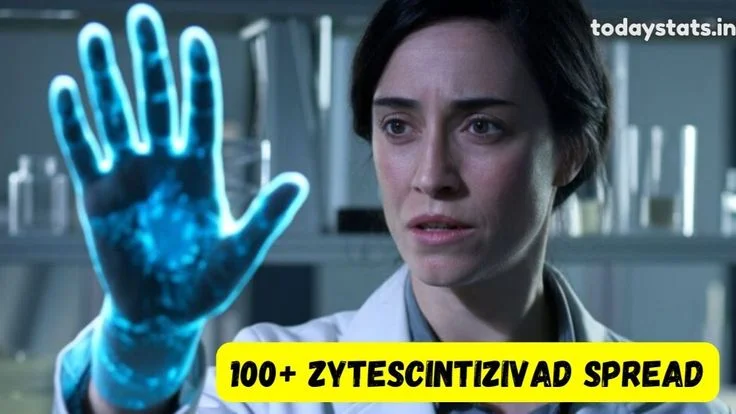
In recent times, the term “Zytescintizivad spread” has gained attention on social media, blogs, and online discussions. Despite its growing visibility, there is no verified scientific or medical definition for this term. It is not recognized in mainstream medical literature, public health guidelines, or reputable scientific sources. The phrase appears primarily in speculative content, creative writing, or futuristic-themed discussions, often presented as a conceptual or metaphorical idea rather than a factual entity.
Some interpretations describe it as a novel type of food spread or a representation of system expansion in technology or social networks, but these interpretations are not backed by authoritative evidence. Due to its vague and imaginative nature, misinformation and confusion can easily arise when encountering this term online. Understanding what “Zytescintizivad spread” might mean and how to critically evaluate such unfamiliar concepts is essential for anyone navigating online information responsibly.
1. Possible Interpretations of Zytescintizivad Spread
Since the term does not have an official definition, its meaning varies depending on context. Here are some of the interpretations commonly seen:
-
Conceptual or Metaphorical Use: In speculative or creative writing, “Zytescintizivad spread” can describe the way ideas, trends, or innovations expand within a system or network. It is sometimes likened to viral phenomena but remains metaphorical rather than literal.
-
Fictional or Futuristic Technology: Certain online discussions use the term to imagine future technologies or processes, particularly those that “spread” influence, data, or effects in innovative ways.
-
Lifestyle or Food Contexts: A few sources have described a “Zytescintizivad spread” as a plant-based food product, but there is no verified recipe, nutritional analysis, or recognition in food science databases. This usage appears primarily in creative blogs rather than authoritative culinary references.
Because the term is largely speculative, it is critical to approach it with curiosity, not assumption. Its use highlights the importance of distinguishing between imaginative content and factual information.
2. Why the Term Causes Confusion
Several factors contribute to the widespread confusion around “Zytescintizivad spread”:
-
Unique Naming: The word itself is unusual, making it appear scientific or technical even when it is not. This can easily attract attention and spark curiosity online.
-
Speculative Content: Many online sources present it creatively, imagining futuristic applications, health implications, or system dynamics. These presentations can appear credible to casual readers despite lacking evidence.
-
Social Media Amplification: Platforms often promote novel or trending terms because they engage users. The unusual name alone can lead to viral sharing, further increasing exposure to unverified interpretations.
Given these factors, it is easy for people to mistakenly treat the term as a medical, technological, or scientific fact.
3. Evaluating Unfamiliar Terms Online
Encountering unfamiliar terms like “Zytescintizivad spread” is common in the digital age. To evaluate such terms critically:
-
Check for Credible Sources: Look for information from academic journals, recognized institutions, or official health organizations. If a term appears only in blogs, forums, or speculative content, treat it cautiously.
-
Compare Across Sources: Established scientific concepts tend to appear consistently across multiple reliable sources. Lack of consistency suggests the term may not be factual.
-
Consider the Context: Identify whether the term is being used metaphorically, creatively, or as part of marketing content. Context can clarify whether the term is intended to be factual or imaginative.
-
Avoid Misinformation: Don’t assume unusual or technical-sounding terms are real. Misinterpreting speculative content can contribute to confusion or the spread of misinformation.
By following these steps, readers can maintain a critical mindset and avoid misunderstandings.
4. Health Implications and Misconceptions
It is important to address one of the main concerns people may have: Is Zytescintizivad spread a health issue?
-
No Verified Evidence: There is no documentation suggesting it is a disease, virus, bacteria, or other biological agent. Unlike verified pathogens or health conditions, the term does not appear in medical or scientific literature.
-
Misinformation Risk: Misunderstanding the term as a health threat can lead to unnecessary anxiety or the adoption of unverified practices. In a world where misinformation spreads rapidly online, distinguishing between fact and speculation is essential.
-
Critical Approach: Always rely on trusted health sources for medical concerns. If you encounter unknown terms in a health context, cross-check with official health agencies or peer-reviewed studies before taking action.
5. Understanding Viral-Like Concepts in Context
Although “Zytescintizivad spread” itself is not scientific, it resembles concepts used to describe real phenomena:
-
Viral Spread in Technology: Terms like “viral content” or “viral marketing” describe the rapid dissemination of information across networks. These concepts are well-studied and rely on measurable data.
-
Biological Viral Spread: In medicine, viral spread refers to the transmission of viruses such as influenza or the common cold. These terms are well-defined and backed by extensive research.
-
Metaphorical Spread in Systems: “Spread” is often used metaphorically in business, technology, or social studies to describe how influence, ideas, or behaviors propagate. These applications are conceptual rather than literal.
Recognizing the difference between metaphorical and factual use helps clarify the nature of “Zytescintizivad spread.”
6. Why Some Terms Go Viral
Some terms gain popularity online despite lacking scientific validation. This occurs due to:
-
Curiosity and Novelty: Unusual or complex words intrigue readers, prompting sharing.
-
Creative Storytelling: Writers and bloggers often invent terms to illustrate abstract concepts, futuristic ideas, or unique products.
-
Algorithmic Promotion: Search engines and social media algorithms favor content that generates engagement, which can amplify obscure or speculative terms.
Understanding these dynamics allows readers to contextualize trending words without assuming authority or credibility.
7. How to Respond Responsibly Online
When encountering “Zytescintizivad spread” or similar terms:
-
Do Not Panic or Assume Health Risk: Without verified scientific evidence, the term should not be treated as a medical threat.
-
Ask Questions: Seek clarification from credible sources and evaluate the context in which the term is used.
-
Promote Accurate Information: Avoid sharing speculative interpretations as fact. Correct misinformation politely if possible.
-
Maintain Critical Thinking: Encourage yourself and others to assess unusual terms logically and skeptically.
Read More: The Hidden Meaning Behind “dnoga1b2c3d4”
Conclusion
The term “Zytescintizivad spread” remains a largely speculative concept without recognized scientific, medical, or technological definition. Its appearances online are primarily creative, metaphorical, or imaginative, sometimes described as a futuristic system concept or an unusual food spread. There is no evidence supporting its classification as a disease, pathogen, or health threat. As the term circulates in blogs and social media, it illustrates how curiosity, novelty, and algorithmic promotion can amplify unverified content. Critical thinking, context analysis, and reliance on authoritative sources are essential to navigate such terms responsibly.
By understanding the speculative nature of “Zytescintizivad spread,” readers can avoid misinformation, make informed decisions, and appreciate the difference between imaginative concepts and factual evidence. Awareness and careful evaluation ensure that trending or unusual terms enrich our knowledge rather than mislead.
FAQs
1. What exactly is Zytescintizivad spread?
It is a speculative term without a verified scientific, medical, or technological definition. Its meaning varies based on context.
2. Is it a disease or a health threat?
No. There is no evidence to suggest it represents a virus, bacteria, or any medical condition.
3. Where did the term come from?
It appears primarily in creative or speculative content, including blogs and social media discussions.
4. Should I be concerned if I see it online?
Only if misinformation causes confusion. It is not associated with any verified health or scientific concern.
5. How can I verify unfamiliar terms online?
Check reputable sources such as scientific journals, government agencies, or peer-reviewed publications. Cross-reference multiple credible sources before trusting unknown terms.