
When rooftop PV produces more electricity than a home needs at a particular moment, storage can help shift some of that energy to a later period. A solar battery energy storage solution should be planned around the household load profile, battery-use expectations, and the existing electrical system. A successful installation depends on how well technical choices match the site and its users. An installation becomes easier to manage when its technical limits, maintenance duties, and upgrade path are understood by everyone involved. The central design task is to connect the selected equipment with a clear site requirement.
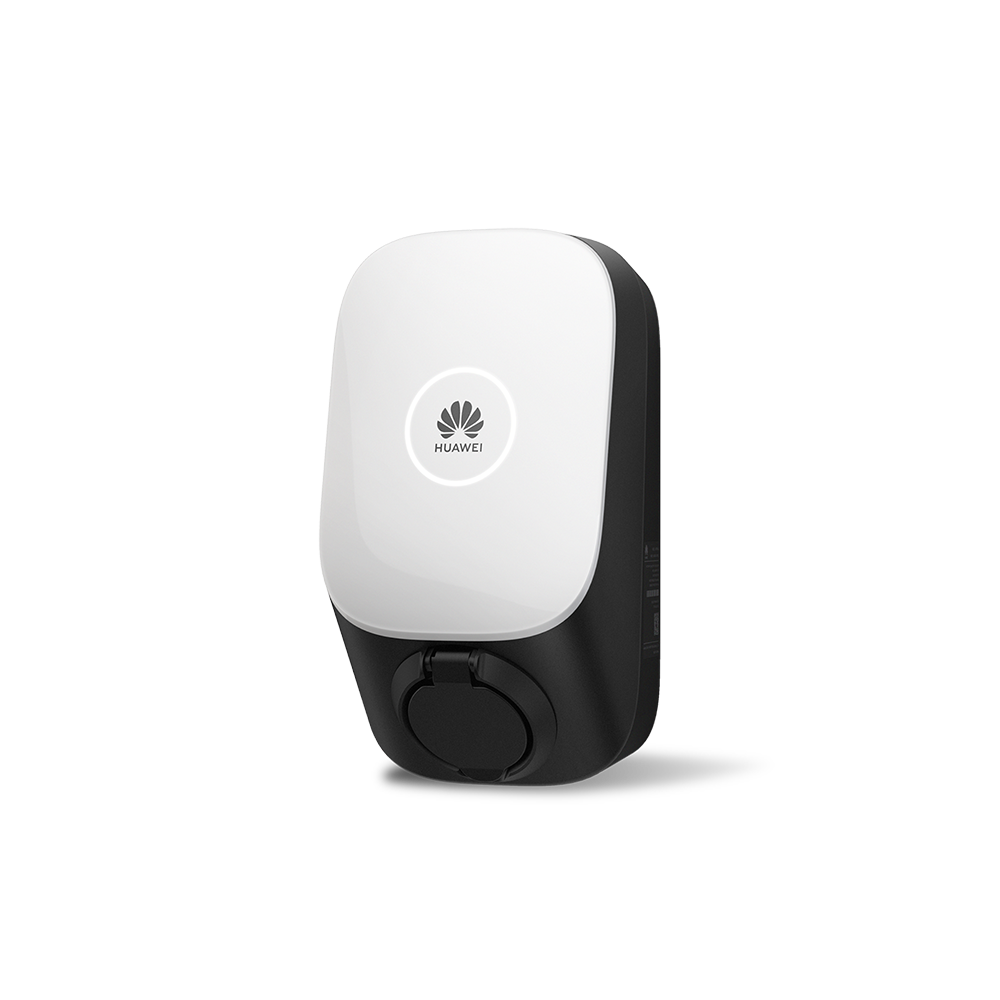
An example of the infrastructure discussed in this article.
Think from the cell to the grid
A grid-connected storage installation includes more than battery cabinets. Cells, modules, racks, battery management, power conversion, transformers, protection, control software, and the point of grid connection all influence the result. A system-level design should make these interfaces explicit so that safety, availability, and operating performance can be evaluated across the complete lifecycle.
Power conversion links storage to the electrical system
The power conversion system manages the exchange of energy between the battery’s direct-current side and the alternating-current network. Its operating range, control response, protection functions, and thermal design need to match the battery configuration and the grid connection. Project teams should also consider how the PCS behaves during charging, discharging, standby, and abnormal conditions. For a closer look at the solution scope, review solar battery energy storage solution and consider how its documented functions fit the site layout, electrical interfaces, and operating plan.
Consider how storage will evolve
Electricity markets, grid codes, renewable capacity, and site loads can change over the life of a storage asset. A design review should consider whether the control platform, switchgear, protection, and physical layout can accommodate future operating modes. Flexibility is most useful when it is supported by a documented upgrade path rather than an undefined promise.
Plan the site around access and environmental conditions
Container placement, drainage, fire access, separation distances, cable routes, ventilation, noise, and lifting access influence both construction and operation. Site planning should involve electrical, civil, fire-safety, and operations teams early. A compact equipment arrangement is useful only if it still allows safe inspection, isolation, and replacement of major components. Performance should always be assessed against the actual installation conditions and the complete system boundary.
Bring operations into the design review
The people who will operate and maintain the installation should review the design before procurement is complete. They can identify access problems, unclear alarms, difficult isolation steps, or spare parts that may be hard to obtain. Their input often reveals lifecycle issues that are not obvious from a product datasheet. A project specification for solar battery energy storage solution should identify the applicable configuration, installation limits, commissioning checks, and service responsibilities.
Thermal management is part of battery performance
Battery temperature affects available power, charging behavior, aging, and safety. The thermal system must be designed for the site climate, expected duty cycle, enclosure arrangement, and maintenance plan. Airflow paths, liquid circuits where used, filtration, alarms, and service access should be considered before the container or cabinet layout is finalized.